Everything you need to know about our air duct, dryer vent, and chimney cleaning services in New Jersey.
The National Air Duct Cleaners Association recommends every 3 to 5 years for most homes. However, homes with pets, smokers, allergy sufferers, or those that have undergone recent renovations may need more frequent cleaning. In New Jersey, seasonal changes and high humidity can also accelerate buildup in your ductwork. HI Services USA offers free assessments to help determine the right schedule for your home.
The cost of air duct cleaning varies based on factors like the size of your home, the number of vents, and the level of contamination. At HI Services USA, we provide free, no-obligation estimates with completely transparent pricing. There are never hidden fees or surprise charges. Contact us at (609) 300-4100 for a personalized quote.
Yes, dirty air ducts can significantly impact your health. Over time, ducts accumulate dust mites, mold spores, pet dander, bacteria, and other allergens that are continuously circulated throughout your home every time your HVAC system runs. This can trigger or worsen asthma, allergies, respiratory infections, and other health issues — especially in children and the elderly.
Our process begins with a thorough inspection of your ductwork. We then use industrial-grade HEPA-filtered vacuum equipment to create negative pressure in the duct system, followed by mechanical agitation to dislodge embedded debris from duct walls. Every supply and return vent is individually cleaned. We finish with a final inspection to ensure optimal airflow and cleanliness throughout your entire system.
Yes. When your ducts are clogged with dust and debris, your HVAC system has to work harder to maintain your desired temperature. Clean ducts can improve airflow efficiency by up to 30%, which directly translates to lower energy consumption and reduced monthly utility bills. Many of our New Jersey customers notice a difference within the first billing cycle after cleaning.
Absolutely. According to the U.S. Fire Administration, failure to clean dryer vents is the leading cause of home dryer fires, responsible for an estimated 2,900 fires annually. Beyond fire prevention, regular dryer vent cleaning improves drying efficiency, reduces energy consumption, and extends the lifespan of your dryer. It's one of the most important maintenance tasks you can do for your home's safety.
There are several warning signs: clothes taking longer than one cycle to dry, your dryer feeling excessively hot to the touch, a burning smell during operation, lint accumulating around the dryer hose connection, or the exterior vent flap not opening properly. If you notice any of these signs, contact HI Services USA immediately at (609) 300-4100 — a clogged vent is a fire hazard.
We recommend professional dryer vent cleaning at least once a year. Homes with larger families or heavy dryer usage may benefit from cleaning every six months. If your dryer vent has a long run to the exterior or includes multiple turns, more frequent cleaning is especially important as lint accumulates faster in these configurations.
While you can and should regularly clean the lint trap after every load, professional dryer vent cleaning goes far beyond what a homeowner can safely accomplish. Our technicians use specialized rotary brushes and high-powered vacuums to clean the entire vent length from the dryer to the exterior exhaust. DIY cleaning often only addresses visible lint and can miss dangerous buildup deeper in the system.
Dryer fires are primarily caused by lint accumulation in the vent system. Lint is highly flammable, and when it restricts airflow, the dryer overheats. This combination of extreme heat and flammable material creates the perfect conditions for a fire. The fire can start in the vent itself or in the wall cavity where the vent passes through, making it extremely dangerous and fast-spreading.
The National Fire Protection Association (NFPA) recommends annual chimney inspections and cleaning as needed. If you use your fireplace regularly during New Jersey's cold winters, annual sweeping is essential. Even if you don't use your fireplace often, an annual inspection is still recommended to check for animal nests, debris, and structural deterioration that can occur over time.
Creosote is a dark, tar-like substance that forms when wood or fossil fuels burn incompletely. It accumulates on the inner walls of your chimney in three stages: as a flaky deposit (Stage 1), as a tar-like coating (Stage 2), and as a hard, glazed layer (Stage 3). Stage 3 creosote is extremely flammable and is the primary cause of chimney fires. Regular sweeping prevents creosote from reaching dangerous levels.
In most cases, yes. Many New Jersey home buyers and insurance companies require a Level 2 chimney inspection as part of the home sale process. A Level 2 inspection includes video scanning of the flue interior and can identify issues that aren't visible to the naked eye. Having a recent inspection report can also speed up the sale process and provide confidence to potential buyers.
A chimney sweeping is the physical cleaning process — removing creosote, soot, debris, and blockages from the flue. A chimney inspection is a diagnostic evaluation of the chimney's structural condition, including the flue liner, mortar joints, crown, cap, and damper. We recommend both annually: an inspection to identify issues and a sweeping to maintain safe operation.
Not when you hire HI Services USA. We take extensive precautions to protect your home, including laying drop cloths around the fireplace area, using industrial HEPA-filtered vacuum equipment to contain soot and debris, and cleaning up thoroughly when we're finished. Our goal is to leave your home cleaner than we found it — many customers are surprised at how tidy the process is.
Our team is happy to answer any questions you have about our services.
Call (609) 300-4100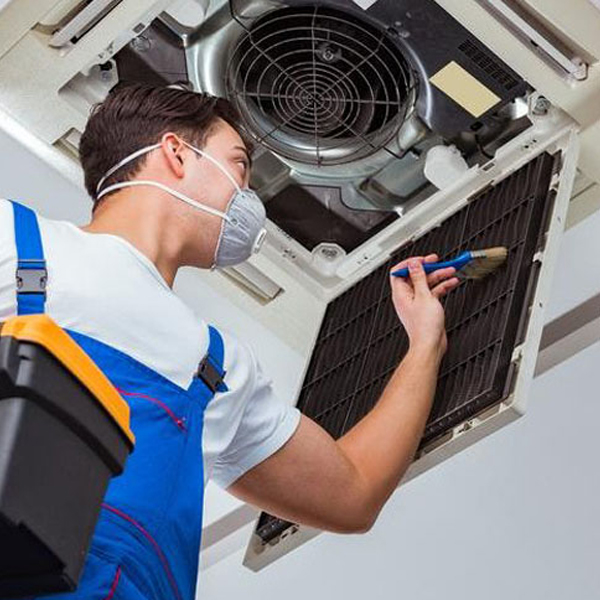
Call HI Services USA today — New Jersey's trusted choice for air duct, dryer vent, and chimney cleaning.
Call (609) 300-4100