Chimney Cleaning in New Jersey: What Every Homeowner Needs to Know
For many New Jersey homeowners, there's nothing quite like the warmth and ambiance of a crackling fire on a cold winter evening. Whether you live in a historic home in Princeton, a suburban house in Cherry Hill, or a coastal property in Toms River, chances are your home has a fireplace that gets regular use during the state's long, cold winters. But with that comfort comes a responsibility that too many homeowners overlook: regular chimney cleaning.
A dirty chimney isn't just an aesthetic issue — it's a safety hazard. Creosote buildup, blockages, and structural deterioration can lead to chimney fires, carbon monoxide poisoning, and costly property damage. In this comprehensive guide, we'll cover everything New Jersey homeowners need to know about chimney cleaning: why it matters, when to schedule it, what to expect, and how to find a reliable chimney sweep.
Why Chimney Cleaning Is Essential in New Jersey
New Jersey experiences some of the coldest winters in the northeastern United States, with temperatures regularly dropping below freezing from November through March. During these months, fireplaces see heavy use — and every fire you burn produces byproducts that accumulate inside your chimney.
The most significant of these byproducts is creosote, a dark, tar-like substance that forms when wood or fossil fuels don't burn completely. Creosote clings to the inner walls of your chimney flue and accumulates over time. Beyond creosote, chimneys can also accumulate soot, ash, leaves, animal nests, and other debris that restrict airflow and create hazardous conditions.
Without regular cleaning, these accumulations create two primary dangers: chimney fires and carbon monoxide poisoning. A chimney fire occurs when creosote ignites inside the flue, producing intense heat that can crack the chimney liner, spread to surrounding combustible materials, and potentially engulf your home. Carbon monoxide poisoning occurs when blockages prevent proper venting, causing toxic gases to back up into your living spaces instead of exiting through the chimney.
Understanding Creosote: The Hidden Danger
Creosote accumulates in three distinct stages, each progressively more dangerous and difficult to remove:
Stage 1 is a light, flaky deposit that's relatively easy to remove with standard chimney sweeping brushes. At this stage, creosote poses minimal risk and is what you'd expect to find during a routine annual cleaning.
Stage 2 is a thicker, tar-like coating that hardens onto the chimney walls. It's more difficult to remove and indicates that the chimney has gone too long between cleanings or that the fireplace is being used inefficiently (for example, burning unseasoned wood or restricting airflow). Stage 2 creosote is more flammable than Stage 1 and requires professional-grade tools to remove properly.
Stage 3 is the most dangerous form. It's a hard, glazed coating that is extremely difficult to remove and is highly flammable. Stage 3 creosote can look like a dark, shiny lacquer coating the inside of your flue. At this stage, the risk of a chimney fire is significant, and specialized chemical treatments may be required before mechanical cleaning can be effective. Allowing creosote to reach Stage 3 is dangerous and is almost always the result of infrequent or absent chimney maintenance.
When to Schedule Chimney Cleaning
The National Fire Protection Association (NFPA) recommends that chimneys, fireplaces, and vents be inspected at least once a year and cleaned as necessary. For most New Jersey homeowners who use their fireplaces regularly during the winter months, annual cleaning is not just recommended — it's essential.
The ideal time to schedule chimney cleaning in New Jersey is late summer or early fall, before the heating season begins. This ensures your chimney is clean, safe, and ready for heavy use when the cold weather arrives. Scheduling early also helps you avoid the rush — chimney sweep companies across New Jersey see a surge in demand once temperatures start dropping, and wait times can stretch to several weeks.
You should also schedule a chimney cleaning and inspection if you've recently purchased a home with a fireplace, if you've experienced a chimney fire (even a minor one), if you notice any signs of chimney problems (such as smoke entering your home, unusual odors, or visible creosote), or if it's been more than a year since your last service.
The Professional Chimney Cleaning Process
Understanding what happens during a professional chimney cleaning can help you know what to expect and evaluate the quality of service you receive. At HI Services USA, our chimney cleaning process follows a thorough, systematic approach.
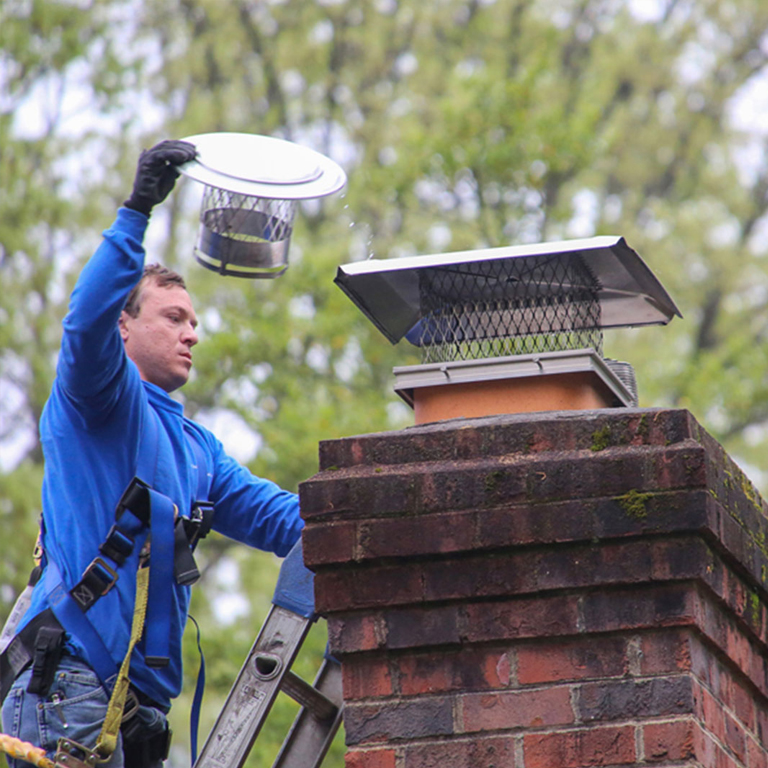
First, our technician conducts a pre-sweep inspection to assess the chimney's condition, identify any visible damage, and determine the level of creosote buildup. Next, we carefully protect the area around your fireplace with drop cloths to prevent any mess. The actual sweeping is performed using specialized chimney brushes sized to your flue, combined with industrial HEPA-filtered vacuum equipment that captures soot and debris before it can enter your home.
After sweeping, we perform a post-sweep inspection to verify that the flue is clean, the damper operates properly, and there are no visible signs of damage that require further attention. The entire process typically takes about one to two hours, depending on the size and condition of your chimney. Our goal is always to leave your home cleaner than we found it.
Chimney Cleaning vs. Chimney Inspection
While chimney cleaning and chimney inspection are often discussed together, they serve different purposes. A chimney cleaning is the physical process of removing creosote, soot, and debris from the flue. A chimney inspection is a diagnostic evaluation of the chimney's structural integrity and safety.
We recommend both services annually. The inspection identifies any problems — such as cracked flue liners, deteriorating mortar joints, damaged chimney caps, or water intrusion — while the cleaning ensures safe, efficient operation. When performed together, they provide comprehensive chimney maintenance that protects your home and your family.
Finding a Reliable Chimney Sweep in New Jersey
Choosing the right chimney sweep is an important decision. Here are the qualities you should look for:
- Certification and insurance — Always verify that your chimney sweep is certified and carries liability insurance and workers' compensation coverage.
- Transparent pricing — A reputable company will provide a clear quote before beginning work, with no hidden fees or surprise charges.
- Professional equipment — Modern chimney cleaning requires specialized brushes, industrial vacuums, and inspection cameras. Avoid companies that show up with nothing more than a basic brush.
- Positive reviews — Check Google reviews, ask for references, and look for consistent praise for professionalism, thoroughness, and customer service.
- Local experience — A company familiar with New Jersey homes understands the unique challenges posed by the state's climate, building styles, and code requirements.
Schedule Your Chimney Cleaning Today
Don't wait until the first cold snap to think about your chimney. Whether you need a routine annual cleaning or you've noticed warning signs that something isn't right, HI Services USA is here to help. Our certified technicians have the expertise, equipment, and commitment to quality that New Jersey homeowners deserve. Visit our contact page or call us directly at (609) 300-4100 to schedule your appointment. We also invite you to check our FAQ page for additional information about our chimney services.